Night shifts usually start after a rest day that isn't restful. Hours spent watching the clock and failing to sleep. So it's no surprise that night workers reach for a boost.
Coffee, an energy drink, whatever the vending machine has. When you're running on little sleep, the pull toward an energy product is strong, and many people grab whatever is closest, not whatever is best.
I'm Jarrod, a registered dietitian, and I did the label reading for you. Here's how the most common options actually compare, so you can choose with your eyes open.
Here's what I found
A clearer picture.
| Product | Caffeine | Sugar | L-Theanine | Electrolytes |
|---|---|---|---|---|
| Starbucks Grande Iced Latte | 150mg | 11g | 0mg | None |
| Red Bull (8.4oz) | 80mg | 27g | 0mg | None |
| Monster Ultra White (Zero Sugar) | 150mg | 0g | 0mg | None |
| LMNT (original) | 0mg | 0g | 0mg | Sodium 1,000mg Potassium 200mg Magnesium 60mg |
| Midnight Tonic | 200mg | 0g | 100mg | Sodium 60mg Potassium 130mg Magnesium 36mg |
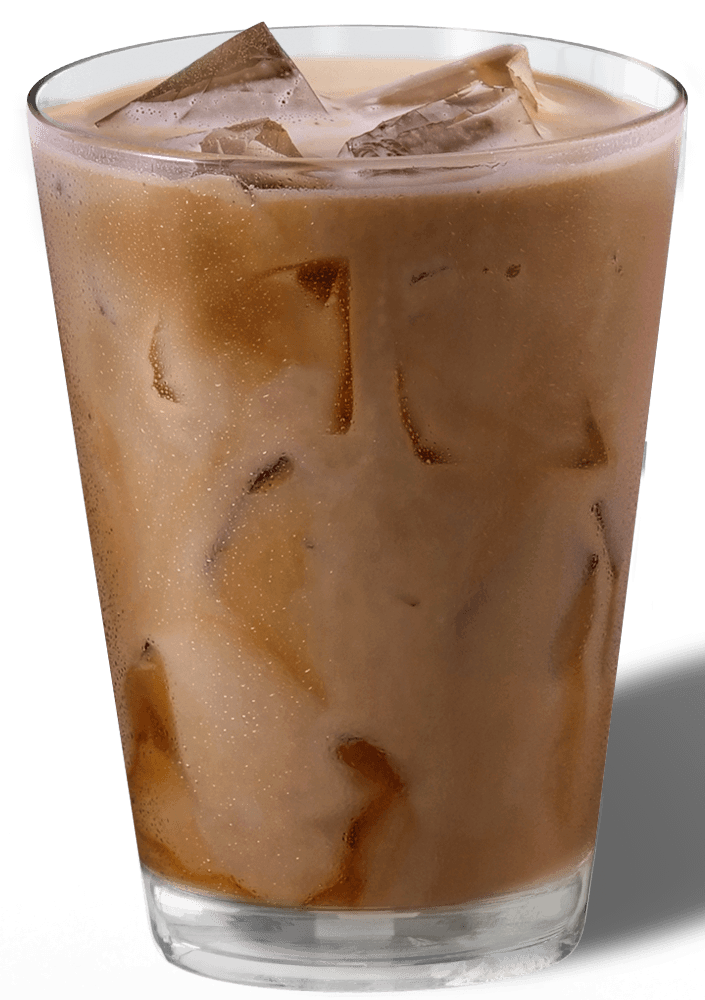
STARBUCKS ICED LATTE
The familiar favouriteIt's what most people default to, and I get it. It's everywhere, it's familiar, and 150mg is a solid dose. A Grande has about 130 calories and 11g of sugar. Go large and a Venti iced latte is about 180 calories, with 225mg of caffeine, before any syrup goes in.
That sugar on top of a long shift tends to give you a quick lift and a quicker dip. And a latte run isn't exactly built around your 4am break. It's coffee doing its best to be an energy strategy. It was never designed to be one.
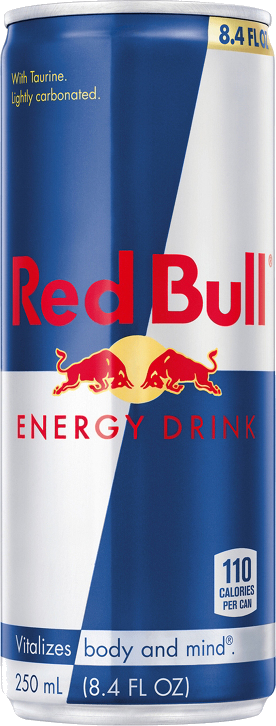
RED BULL
The grab-and-go classicThe household name for a reason. It's fast, portable and it's what you grab without thinking. But at 80mg it's the lowest caffeine on this list, and 27g of sugar adds up quickly if you're having more than one a shift.
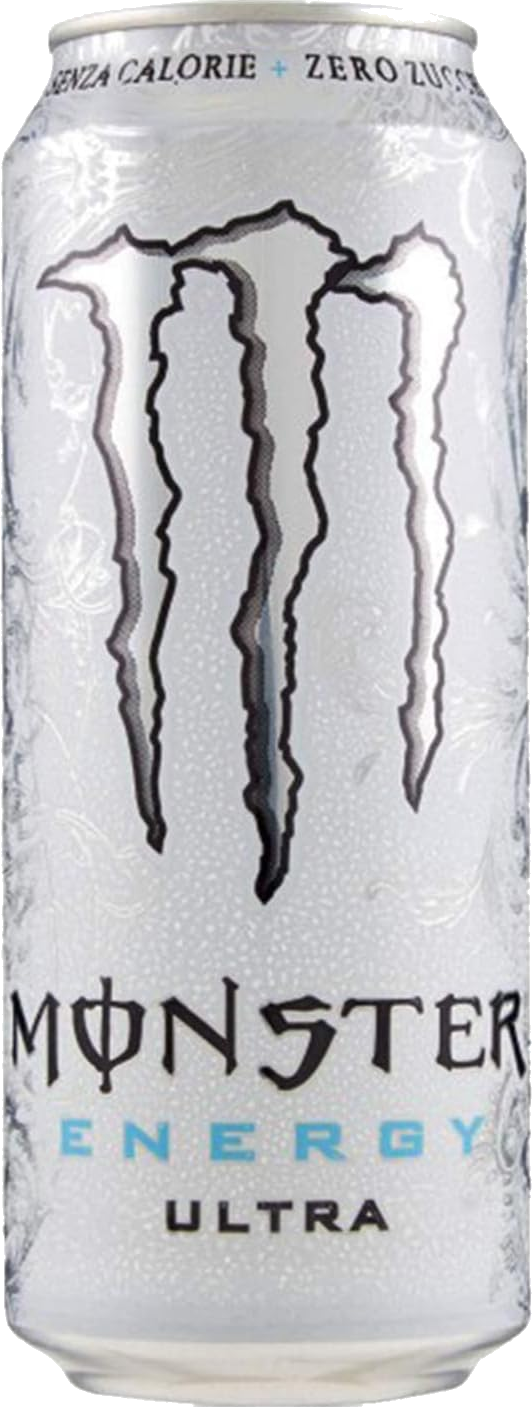
MONSTER ULTRA
The zero-sugar contenderHonestly the most underrated of the grab-and-go options. 150mg of caffeine and zero sugar is a sensible choice and I'd never tell someone to avoid it. It does contain two preservatives (sorbic acid and benzoic acid) alongside two artificial sweeteners. They're within legal limits, but plenty of people would rather not have them in a drink they have most nights. It also has almost nothing to help with hydration. This is mostly flavoured fizz.
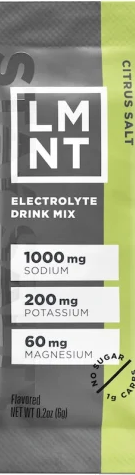
LMNT
The hydration specialistCredit where it's due. 1,000mg of sodium plus potassium and magnesium is a serious electrolyte dose, more than almost anything else on the market. If hydration is your only problem, it's hard to beat. But the original has zero caffeine, so it does nothing for the part of your shift where you're fighting to stay alive.
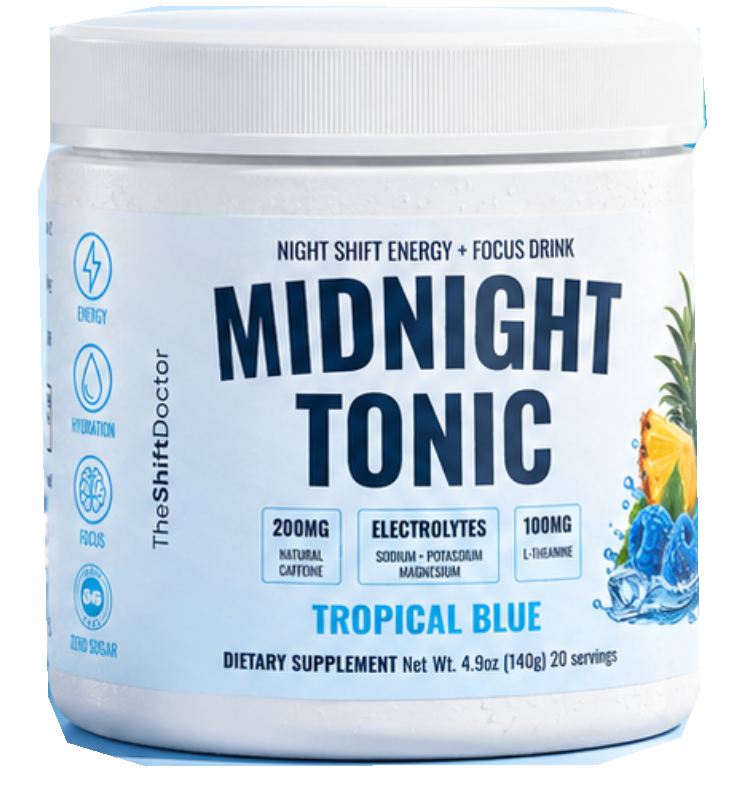
MIDNIGHT TONIC
Our night shift winner200mg of natural caffeine from green tea, the highest dose on this list. 100mg L-theanine alongside it for a smoother, calmer kind of lift than caffeine alone. Sodium, potassium and magnesium to support the hydration every other energy option here ignores. Zero sugar, so no crash like the latte and the Red Bull set you up for. And plenty of B vitamins, which help your body turn food into usable energy.
LMNT has far more sodium than Midnight Tonic. If you are a professional athlete that needs serious sodium replacement, that matters. Midnight Tonic's electrolytes are there to support everyday hydration alongside the caffeine, not to replace a dedicated electrolyte product.
The night shift scorecard
I scored each option on the things that matter most on a long night shift. Here's exactly how, so you can check my working.
HOW I SCORED
Energy: my rating, based mainly on caffeine per serving. Midnight Tonic scores highest because it has the most (200mg) and pairs it with L-theanine, which research associates with steadier attention.
Hydration: based on the electrolytes on the label. LMNT is a full-dose electrolyte drink. Midnight Tonic has a smaller amount. The rest have only traces.
Price: approximate cost per serving. Midnight Tonic is scored on its buy one, get one 50% off offer ($1.88 each). A single tub is $2.50. Prices vary by shop.
Taste: my own opinion, so it's subjective.
Why these ingredients? A quick science detour
If you just want the verdict, you've got it above. But people always ask why these particular ingredients, so here's the short version.
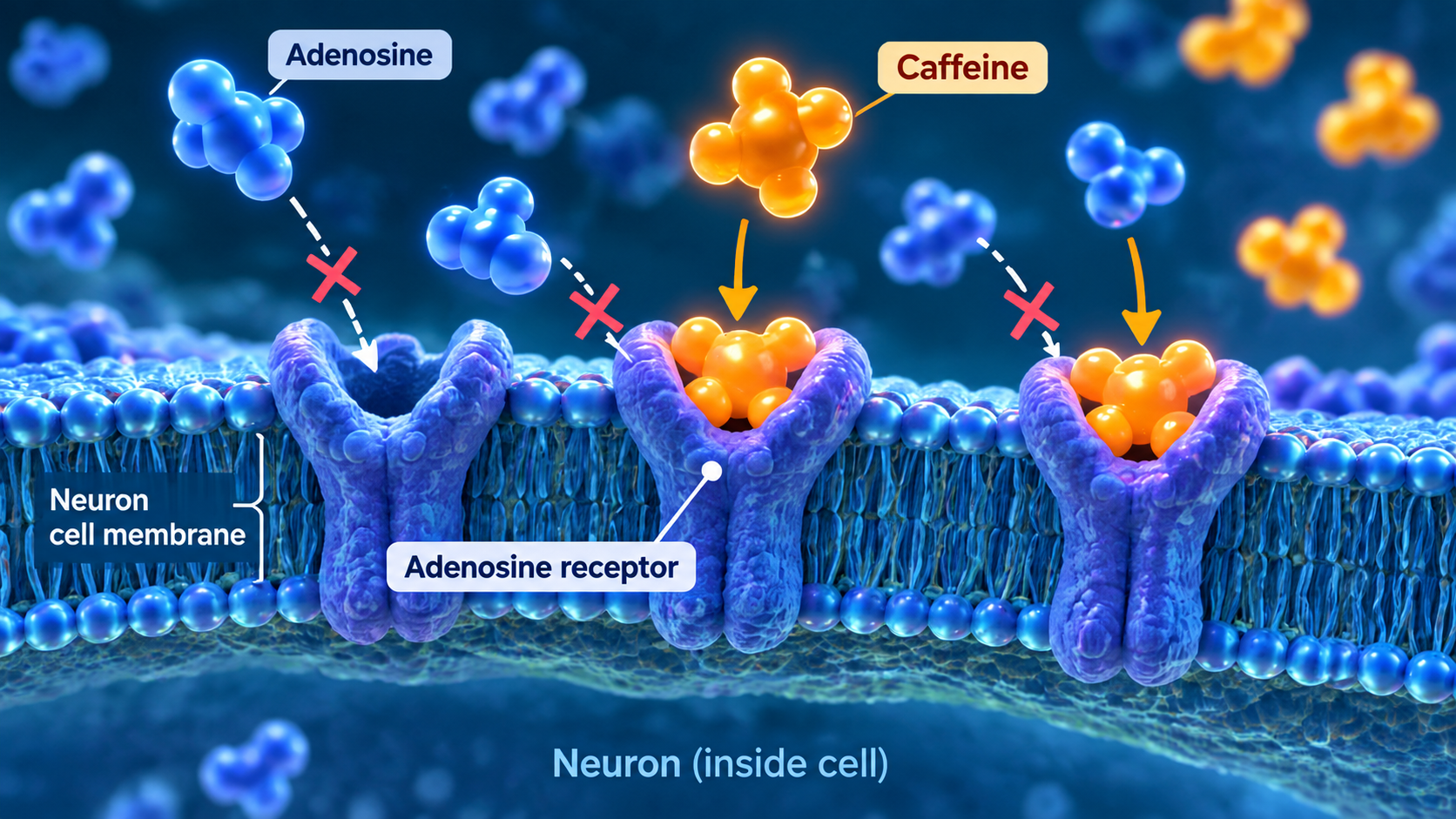
Caffeine blocks the “I’m tired” signal
Your brain produces a molecule called adenosine, which builds up the longer you’re awake. It binds to receptors in your brain and creates that heavy, “I need to sleep” feeling. Caffeine is shaped similarly enough to adenosine that it can sit in those same receptors and block it from binding. Your brain isn’t less tired. It just isn’t getting the message. This is also why caffeine feels weaker the longer you’ve been awake: adenosine keeps building.
L-theanine changes how caffeine feels
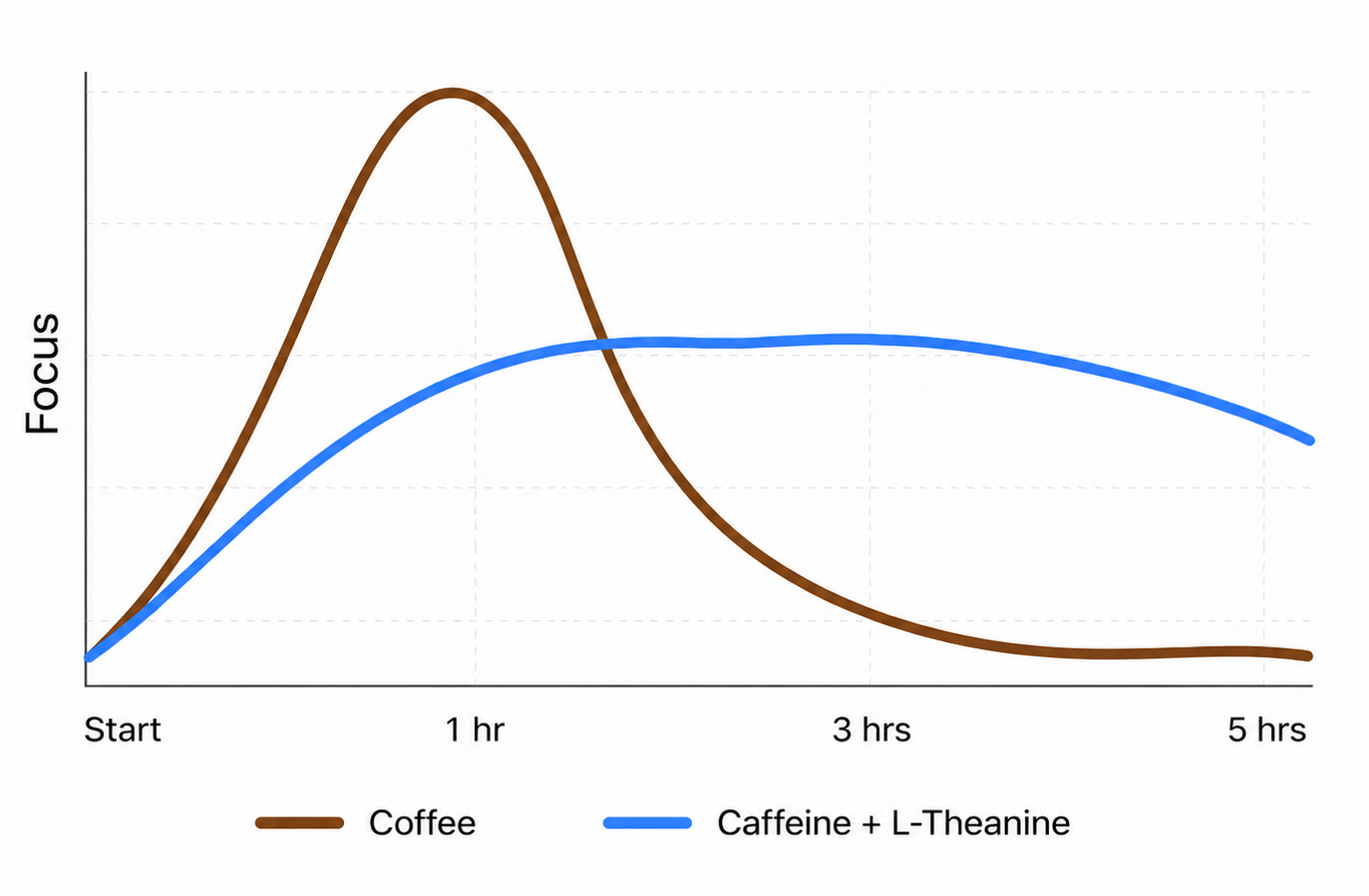
L-theanine is an amino acid found naturally in tea. On its own it’s associated with increased alpha brain wave activity, the pattern linked to a state of relaxed alertness. Several studies have found that caffeine and L-theanine together are associated with steadier attention than caffeine alone, without as much jitteriness. That’s why they’re paired. L-theanine doesn’t cancel the caffeine out. It changes the texture of it.
Electrolytes matter more on nights than you think
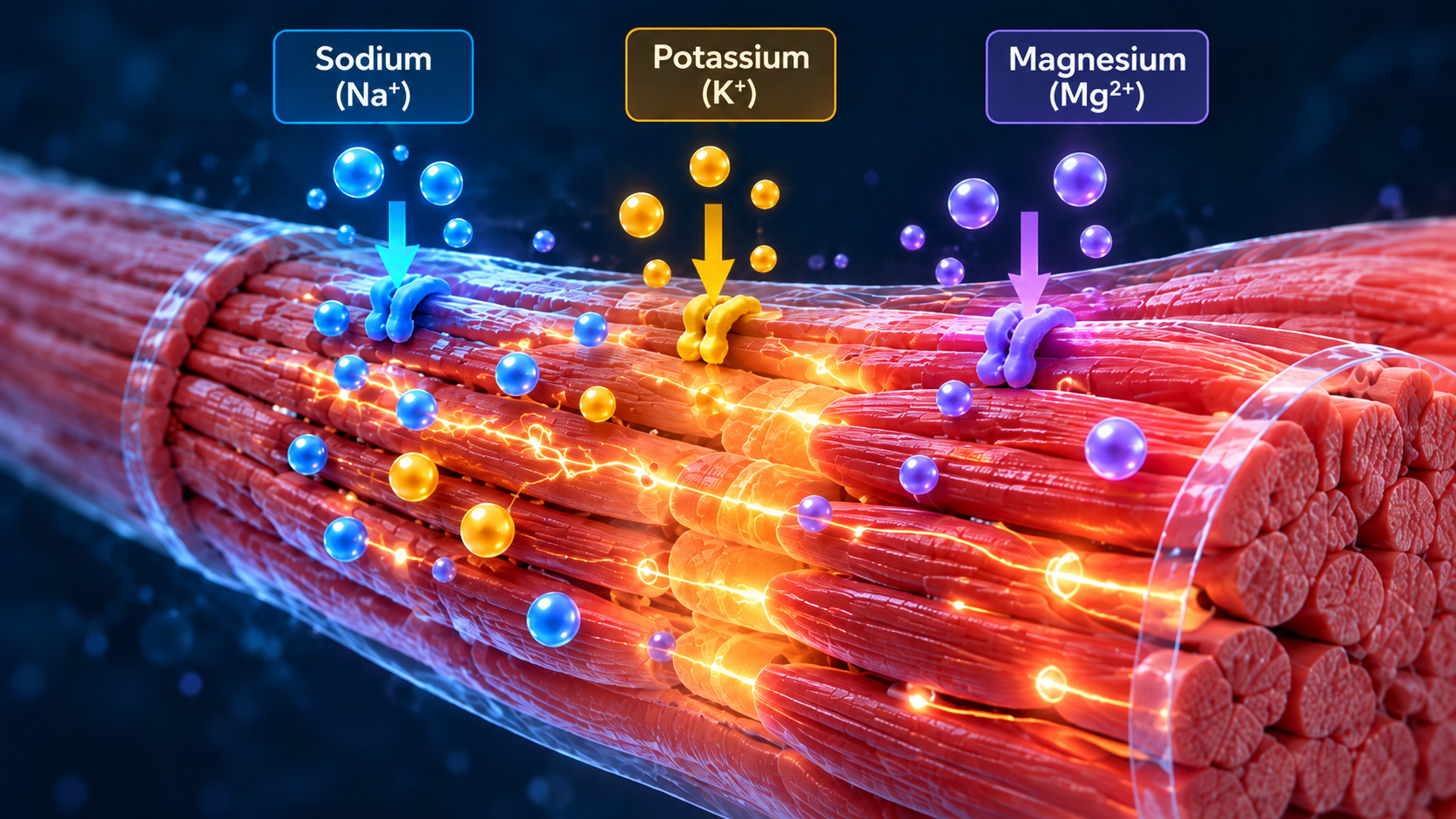
Sodium, potassium and magnesium are what your nerves and muscles use to fire signals and contract properly. On a long shift, most people don’t drink enough, and fluid and electrolyte balance can slip before thirst really kicks in. That can contribute to feeling sluggish, which often gets blamed purely on tiredness. Sometimes you just need a glass of water with something in it.
B vitamins are the machinery, not the accelerator
B1, B2, B3, B6, B12 and the rest help your body convert food into usable cellular energy. They don’t give you a hit the way caffeine does. Think of them as making sure the engine has oil. It’s one more thing working in your favour when you’re running on little sleep.
Put those together and it's not “more stimulants.” It's four different mechanisms working at once, which is the real argument for a combined product over picking one thing off a shelf.
What about price?
I'd be doing you a disservice if I skipped this, so let's be straight about it.
Midnight Tonic isn't the cheapest thing on this list. LMNT undercuts it, and depending on where you buy your Red Bull, so can that.
If price is your only lever, LMNT wins. But if you're currently buying a coffee and an electrolyte sachet separately, you're likely paying more combined than Midnight Tonic costs on its own, and that's before you factor in actually remembering to buy and use both. If you want energy and hydration covered in one product, Midnight Tonic is the one built for night shift specifically.
Try Midnight Tonic